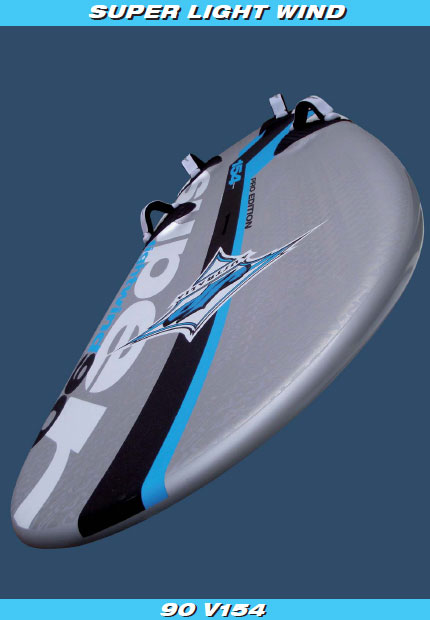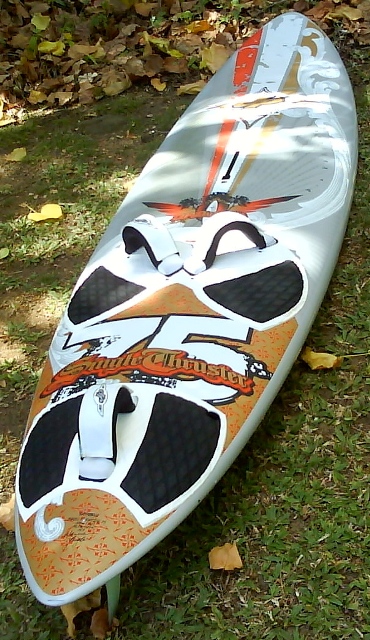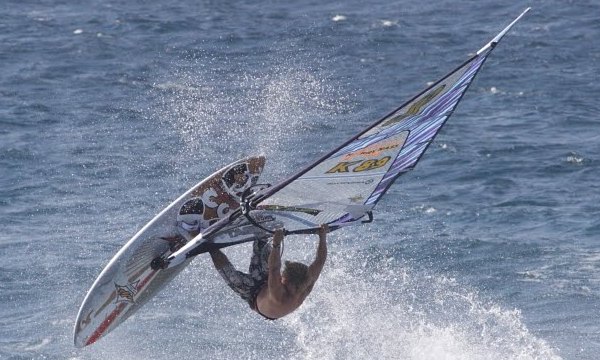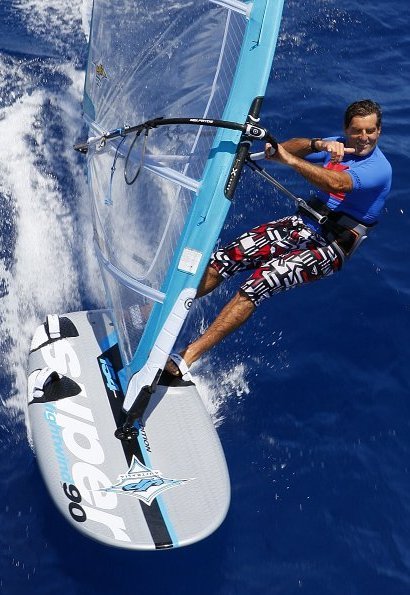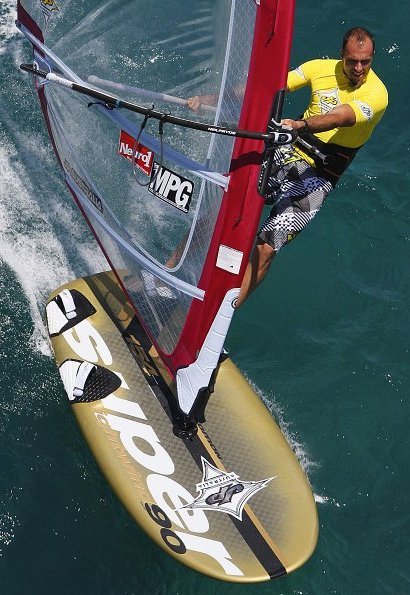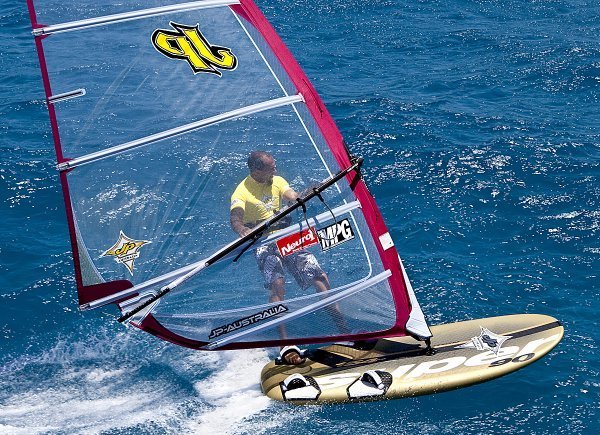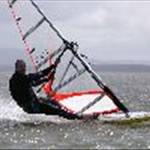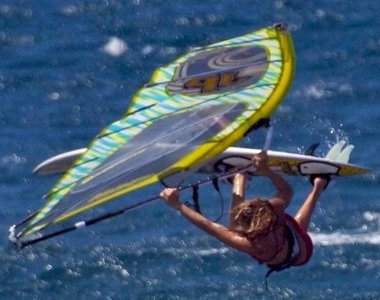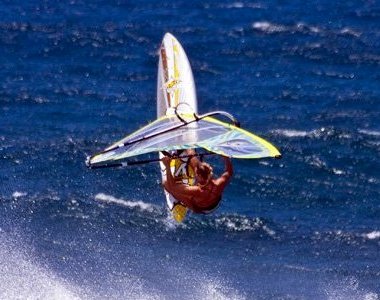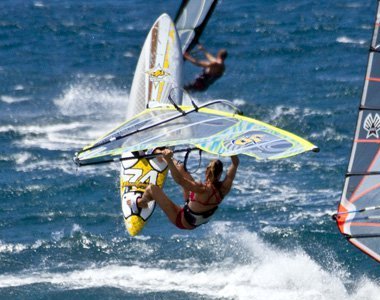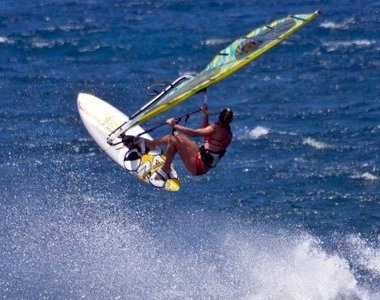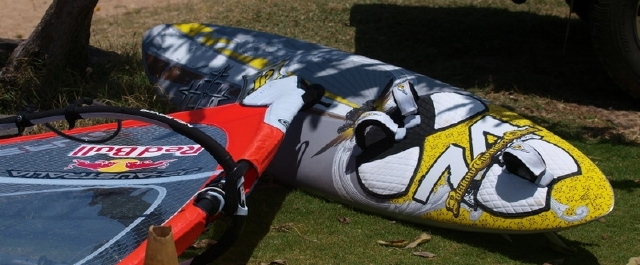
Geez people, watch the vid. This board sits between a freeride board, slalom board and formula board.
VS formula- it is designed to comfortably reach across the wind as well as up and downwind. It isn't designed to use such big fins, has straps in more inboard position and has V throughout. You dont require deep water ports to land and launch from

VS slalom- technically slalom boards end at 85 wide. If there is a slalom series that allows the isonic in fine. The JP is designed to be more user friendly again with longer rocker, V throughout and straps slightly more in board. I dont know if Rik's comment that it goes upwind better than a slalom is true- maybe vs a 85 wide slalom since it can carry a little bigger fin and has longer waterline than most. Alot of the bigger slaloms at the moment aren't that nice to gybe- some you can get up onto the rail, some prefer to be gybed very flat. The slalom still has to have some compromise in range- ie they would all be very similar speed in 8-10knots but at 15knots the slalom will be pulling ahead whereas the JP can focus purely on light wind performance.
VS freeride- slightly better performance on all points. I think Rik should have maybe tried this with a big freeride fin also, but most people can happily use a big slalom fin in 10knots and it really does give the best compromise.
As a concept I think it does sit pretty much on it's own in the market, it is nothing like course/early formula boards which were all pretty unforgiving and ** to gybe. Comparing with starboard it seems somewhere in between the big isonic and the GO.
For 10knot conditions where you aren't looking to race and without having tried it, it seems this would be the ideal board. Maybe it's cross marketing also with a board that is designed to match the light wind freeride sails available at the moment.