
 sausage
> 9 months ago, 4 Apr 2014
sausage
> 9 months ago, 4 Apr 2014
QLD
4873 posts

NSW
9207 posts

QLD
14722 posts
QLD
4873 posts


WA
558 posts

WA
2454 posts

WA
13 posts
QLD
4873 posts

WA
1492 posts
NSW
9207 posts

1553 posts

QLD
7435 posts
NSW
9207 posts
QLD
4873 posts
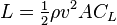
 . Thanks for taking the time. Now can anyone work out the force differential between air in shade v air in sunlight with all other factors being equal. Maybe there are localised pressure differences that are at play as well (pure speculation)
VIC
2415 posts
QLD
14722 posts

NSW
1147 posts
NSW
600 posts


QLD
307 posts


NSW
130 posts

QLD
105 posts
QLD
14722 posts
QLD
4873 posts
1421 posts
QLD
105 posts
TAS
301 posts
1553 posts
 How'd you come up with this credible explanation?
WA
44 posts
NSW
130 posts

9.3k


