
 sarwind
> 9 months ago, 11 Sep 2023
sarwind
> 9 months ago, 11 Sep 2023
2792 posts


1747 posts
NSW
3531 posts
WA
1607 posts
it helps to add mast foot pressure.
NSW
8292 posts

NSW
490 posts
NSW
490 posts

WA
3709 posts
NSW
490 posts
WA
1607 posts
NSW
490 posts
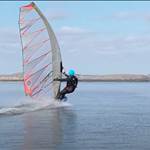
Speaking of steps, I tried the flip first as demonstrated by sailquick above. Looks like many of the fast guys do it this way? It was interesting on 92cm wide SLW. I made a few attempts, each time felt super wacky and the old Windward side of board stayed down in the water as it went around to become leeward rail.
1747 posts

NSW
1844 posts
NSW
490 posts
.
WA
2454 posts
NSW
8292 posts
Speaking of steps, I tried the flip first as demonstrated by sailquick above. Looks like many of the fast guys do it this way? It was interesting on 92cm wide SLW. I made a few attempts, each time felt super wacky and the old Windward side of board stayed down in the water as it went around to become leeward rail.
2339 posts
NSW
490 posts
NSW
471 posts

WA
4017 posts
2792 posts
NSW
490 posts
NSW
8292 posts


NSW
8292 posts

WA
925 posts

QLD
3373 posts
WA
4017 posts
SA
226 posts

NSW
8292 posts

9.3k


