
 lao shi
> 9 months ago, 13 Jun 2009
lao shi
> 9 months ago, 13 Jun 2009

WA
4164 posts
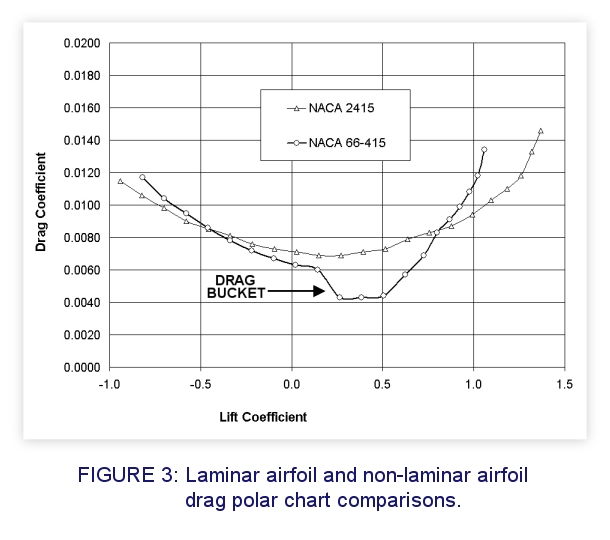
 . But looking for an explanation could it be that as angle of attack increases the low pressure minimum on the low pressure side moves forward while the high pressure peak on the other side moves aft? ie. the pressure peaks move to a better orientation of the fin's surface as far as contributing to induced drag goes.
WA
560 posts
WA
1646 posts

VIC
417 posts
WA
1646 posts
WA
1646 posts

WA
4164 posts

NSW
294 posts

NSW
294 posts

QLD
113 posts


QLD
1510 posts
WA
1646 posts

WA
3621 posts

WA
4129 posts
QLD
113 posts
NSW
1600 posts
 Or rather a lack thereof
5 posts

9.3k


