
 Macroscien
> 9 months ago, 17 Oct 2020
Macroscien
> 9 months ago, 17 Oct 2020
QLD
6808 posts


VIC
6166 posts
 It is a rock wall!!
  It bends towards you and looks a lot more intimidating than the sand bank at Luderitz, but otherwise it is a very similar setup, just a lot shorter. and it is typically a LOT colder! Brrrrr.....

QLD
6808 posts
It is a rock wall!! It bends towards you and looks a lot more intimidating than the sand bank at Luderitz, but otherwise it is a very similar setup, just a lot shorter. and it is typically a LOT colder! Brrrrr.....


VIC
6166 posts

NSW
8292 posts

NSW
8292 posts
)

VIC
6166 posts
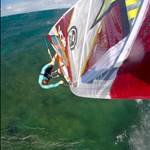
 Perhaps this is what prompted the term 'Slingshot' as I guess it feels like you are getting shot from a slingshot? But there is no magic extra acceleration or speed gained, just more control and very rapid acceleration. and you don't want to stuff it up or you are going to crash on the sandbank!
  . And the later you leave it in a good gust, the stronger the acceleration is. I must admit to really liking that bit.
VIC
6166 posts

WA
3621 posts


QLD
3373 posts
QLD
6808 posts
 and get answer, but you seems to be very well informed on that matter)

QLD
609 posts
QLD
3373 posts
and get answer, but you seems to be very well informed on that matter)
VIC
6166 posts
 Over 40 is a good way of putting it but typically, it is super gusty and micro peaks are waaaay higher. It is one situation where the word 'extreme' is meaningful.
QLD
6808 posts
Over 40 is a good way of putting it but typically, it is super gusty and micro peaks are waaaay higher. It is one situation where the word 'extreme' is meaningful.
QLD
3373 posts
VIC
6166 posts

WA
786 posts
QLD
3373 posts
VIC
6166 posts
Just use what you have got!

110 posts
NSW
8292 posts
QLD
3373 posts
NSW
8292 posts

9.3k



