
 beastsurf
> 9 months ago, 11 Jul 2015
beastsurf
> 9 months ago, 11 Jul 2015

1199 posts

752 posts

NSW
1317 posts

8266 posts


23 posts
VIC
1040 posts

NSW
1302 posts
752 posts


QLD
255 posts
WA
1255 posts
752 posts

SA
313 posts
lots of people talk about cage diving in sa. Port lincoln has 3 operators who regularly go to neptune islands , bait for sharks using blood , offal and tuna . They harass white pointers into responding to the boats and putting on a good show for paying customers. apparently one of the most profitable 1 day charters anywhere in the world. 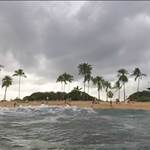
WA
6913 posts


WA
2222 posts
WA
3028 posts
sorry)
WA
6913 posts
WA
6913 posts
sorry)
WA
3028 posts
sorry)
WA
6913 posts
sorry)
WA
2222 posts
WA
598 posts
WA
3028 posts
WA
2222 posts

WA
1404 posts

8266 posts

10982 posts
 members of the Reclaim Australia movement take to the streets this morning to protest the life-threatening increase in sharks
10982 posts

9.3k


