
 JockyC
> 9 months ago, 8 Sep 2014
JockyC
> 9 months ago, 8 Sep 2014
TAS
210 posts


TAS
3173 posts


TAS
979 posts
TAS
210 posts
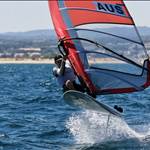
 But in terms of actual numbers - I weighed in at 76kg for both of my national titles, this year ill be weighing in closer to 80kg but I will be by far and a way the biggest person to ever sail a techno... Most kids will wont end up weighing more than 70kg, and the kids who are winning the international regatta's are probably 65kg. The important thing to remember is that the techno is purely a learning class - a feed to the RSX. So when you get a bit big for your techno (like me) and you get some good skills up then you don't hang around, you jump onto the RSX and start that pathway. (I have RSX video's on my youtube channel if anyone is interested).
TAS
3173 posts


TAS
38 posts
TAS
979 posts
TAS
210 posts
 There are holes in the board for a railing strap, but we have found that by putting the front foot in the planing strap and the back foot right behind it we have much more speed and height on the centreboard. It is pretty unique to this board I think - I don't do it on my RSX - but it is fast and is accepted all over the world especially for bigger guys. The rocker is actually a big help when on the rail, because as the board 'heels' over from the sideways force of the centreboard, it means that we can bear away and plane without the tail lifting up and nose diving the board - the techno is SO SO SO fast in these conditions, it just loves it.

TAS
547 posts


9.3k


