
 sailquik
> 9 months ago, 13 Oct 2021
sailquik
> 9 months ago, 13 Oct 2021
VIC
6166 posts

 It was my off season for sailing so it has not had much time on the water, but I have tested it skiing and Motorcycle riding and it has proven to be excellent. The only practical difference from the original design is in the software, which needed to be redeveloped for the new build and does not yet have all of the features of the original. Julien assures us he will gradually add those features through firmware updates as he catches up with a large queue of backorders and gets the time to get back to software development. In the meantime, it has all the basic features to allow it to be very user friendly for most windsurfing purposes.


NSW
735 posts

WA
1045 posts


VIC
6166 posts
 ) and are low cost for an experiment.

QLD
3373 posts
VIC
6166 posts


TAS
2039 posts



WA
786 posts

405 posts
VIC
6166 posts


 I dont know how they go on bare arms and suspect they would not work that well on Lycra Rashie tops.


 The downside, is that it may eventually damage the Wetsuit material lining

NSW
8292 posts
TAS
2039 posts

74 posts
VIC
6166 posts
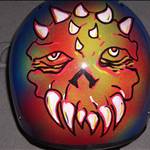
Although, that is one place I certainly would not even think about going without helmet. In my 40+ years of windsurfing, I have not had a heavy, hard hit on the head. I have had many minor knocks on the mast or boom in crashes, but nothing compared to some of my skiing crashes, where I am sure my helmet has saved me from very serious head injuries on quite a few occasions. There are usually no trees, rocks or hard Ice to hit when windsurfing, at least in Australia.
74 posts
Although, that is one place I certainly would not even think about going without helmet. In my 40+ years of windsurfing, I have not had a heavy, hard hit on the head. I have had many minor knocks on the mast or boom in crashes, but nothing compared to some of my skiing crashes, where I am sure my helmet has saved me from very serious head injuries on quite a few occasions. There are usually no trees, rocks or hard Ice to hit when windsurfing, at least in Australia.
VIC
6166 posts
WA
1045 posts
The downside, is that it may eventually damage the Wetsuit material lining

WA
12802 posts
The downside, is that it may eventually damage the Wetsuit material lining
WA
1045 posts
The downside, is that it may eventually damage the Wetsuit material lining
VIC
6166 posts
The downside, is that it may eventually damage the Wetsuit material lining
WA
1045 posts
The downside, is that it may eventually damage the Wetsuit material lining
NSW
1509 posts
QLD
3373 posts
WA
12802 posts
VIC
6166 posts

9.3k



