
 DOWNHAUL
> 9 months ago, 21 Aug 2014
DOWNHAUL
> 9 months ago, 21 Aug 2014
WA
11 posts

WA
11 posts
SA
3591 posts


SA
3591 posts


SA
1000 posts
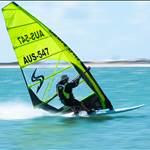
 looks good, what size sail did you have up. if you put your back foot in the strap might get a knot or two more speed.

WA
1906 posts
WA
11 posts
WA
11 posts
looks good, what size sail did you have up. if you put your back foot in the strap might get a knot or two more speed.

WA
4564 posts
You got to be kidding me, you never even harddddly bloody pumped onto the plane either direction What do you weigh? only 30 kg's or something. 
WA
747 posts

WA
685 posts


WA
1906 posts

WA
2166 posts


NSW
698 posts

QLD
121 posts

WA
4017 posts

QLD
584 posts
WA
1906 posts
SA
3591 posts
WA
1906 posts


VIC
6166 posts


WA
12802 posts
WA
4017 posts

9.3k



