No loop, no good, hooked in, no pass even ####ier
sail bags to the rescue.
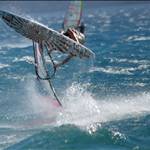
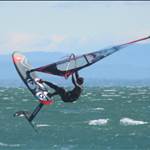
The unhooked handlepass loop, a history,
The unhooked handlepass loop was first performed by Otto Lilienthal a pioneer of human aviation who became known as the Glider King. During a flight on 9 August 1896 seconds before the first unhooked handlepass loop, Lilienthal's kite stalled and he fell from a height of 17 m (56 ft), breaking his spine. He died in Berlin the following day.
Whilst few tried to emulate him in this Cleveland era, against a background of Tchaikovsky and Vivaldi, and a fashion of full beards or mutton chops, the seed was sewn.
Fast forward to the early 21st century, a new breed of radical riders, Haslow, Lenton, Bose, Naish, Yates to name a few were pushing the envelope, drawing perfect circles in the sky with their modern equipment, to the amazement of all who witnessed.
Their bravery, courage and seeming disregard for personal wellbeing pushed the sport to further heights, literally. How could they do such a thing? the polies with knees destroyed from jumps far less audacious cried, and cried, and cried.
So arrogant were these riders, to unhook from such a powerful aerofoil, then, in an almost rude gesture, turn their back to the very power source that could hurt them so much.
But they did, and did.
Big jumps and loops lost favour in the latter part of the decade, as powered tricks became more the vogue.
Meanwhile, the polies still did the same old stuff.
Footnote: There is talk among historians of an earlier unhooked handlepass loop attempt in China around 1500bc by a peasant called Sum Karnt, however historical records are incomplete, and scholars generally accept Lilienthal as the first to survive, albeit briefly, attempting the move.