
 Skyron
9 months ago, 19 May 2025
Skyron
9 months ago, 19 May 2025
2 posts


NSW
1844 posts

WA
8879 posts
2792 posts


SA
12 posts

QLD
3373 posts

WA
23526 posts

QLD
14722 posts

VIC
149 posts
WA
23526 posts
WA
23526 posts
VIC
149 posts
WA
23526 posts

WA
7194 posts
395 posts

WA
506 posts
1008 posts

QLD
4926 posts
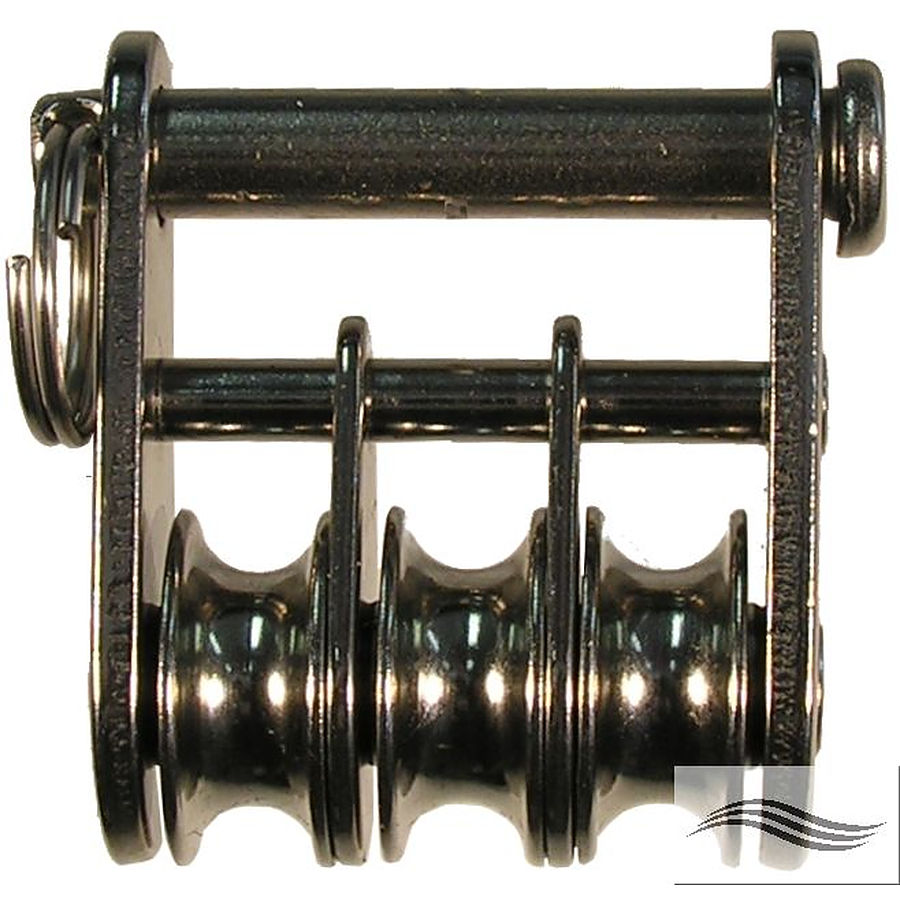
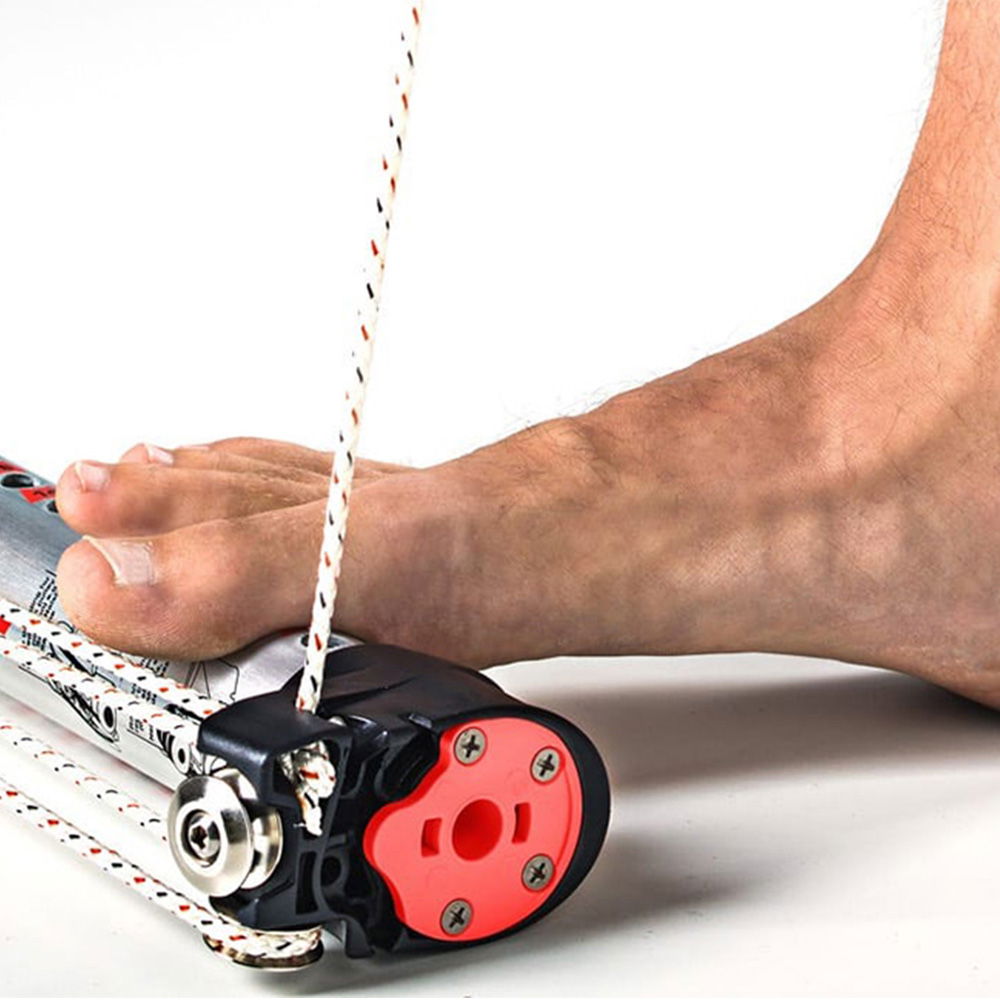
 The other odd thing is, that the Power XT is mostly used on bigger and cammed sails, so this system should be on those sails, not the wave sails that need it less. But then you can't use the three pulleys for a standard ext. Yep, its dumb. Not so dumb, if you could take the pulley system apart and swap that middle pulley for what extension you have. I could see that middle spacer wheel a good thing for PowerXT users. The maths says if I go sailing once a week, I will save three and a half minutes a year. Serious third world problem solved.
WA
23526 posts
WA
506 posts

WA
23526 posts
2792 posts
I do have an XT SDM extension and it's really a nice thing. 


2 posts
I do have an XT SDM extension and it's really a nice thing.
WA
506 posts
WA
506 posts
2792 posts

SA
2683 posts
179 posts
395 posts

9.3k


