
 woodsup
> 9 months ago, 15 Mar 2021
woodsup
> 9 months ago, 15 Mar 2021
11 posts

3939 posts

VIC
17569 posts

NSW
1321 posts
SA
3027 posts

5370 posts


WA
1266 posts
NSW
1321 posts
70 posts
QLD
2795 posts

1566 posts
 the fact that stubbies have to be ridden short to avoid the footwork of the lenghy stubby boards making the single stance position works as a shortboard with its advantages during taking off and reentry.
11 posts
WA
1266 posts

193 posts
NSW
1321 posts

450 posts
5370 posts
5370 posts
454 posts

QLD
25 posts
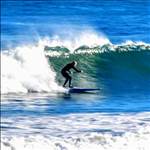
, the steeper the wave the better if your game, very fast as a quad and turns unreal.  only negative is materials are a bit precious, rails chip easy
5370 posts

9.3k


