Hi,
I have been trying to master downwinding on my 2011 Hobie 14 elite, without achieving the sort of result expected.
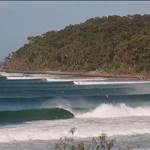
First attempt was about 8km from Yaroomba to Mudjumba on the Sunshine Coast Qld. That was in around 20 knots + of northerly with a NE swell. I have had some instruction since then as well as learning from some videos, I have improved, however I am having to paddle all the way, not able to catch any runners, maybe one short runner in 3 kms. I have also tried a different board to see if that makes a difference, a Jerry Lopez 14 footer, no difference. I went out again on the hobie last weekend from Maroochydore to Mooloolaba, generally a SSW direction with a NNW wind at around 20 knots and NE swell. Still only caught one short runner.
My expectations of downwinding was like in this video, (see link).
These guys aren't paddling hard to catch the runners, in fact they aren't paddling much at all. What gives?
I watched a training video of Jeremy Riggs, he was in a boat training a guy on the downwind board, he kept having to say don't paddle so hard. It was a case of when he got in the trough just a couple of lazy strokes and he was on.
I tried all the stuff I had learned, tried just getting in the trough and paddling soft, hard just didn't matter, nothing worked to get me surfing the runners. I also tried paddling the direction of the swell, then the direction of the wind and chop.
In all 3 downwinders I have done have been in similar conditions, N - NNW wind around 20 knots, small 1 to 2 foot swell from the NE. Each time I found difficulty from the wind angling across the swell direction. When following the wind direction the swells would come at around a 45 degree angle hitting the tail of the board first, which pushed the tail to the right causing stability issues at times, certainly a loss of momentum.
Is there better conditions to aim for, and should that be the difference?
After giving it some thought I would expect that if the wind and swell were going exactly the same direction that would be the best? Is that the case or not?
What are the ideal conditions? Big swell, small swell, how much wind, what direction swell and wind?
Someone told me you aren't meant to catch the swells, (ground swells), but the chop, (wind swells). Is that correct?
So you are better able to judge what may be going on it may help if I give you my experience history. I am 50 years old and have surfed for 40 years, supped for about 3, and plenty of offshore kayak and sailing experience.
Help much needed and appreciated.
Kind regards,
Ken.