Has anyone bought one of these in the last year? They are now marketed towards beginner light riders but they look like a good longboard shape that would be good for bigger waves.
I had one and loved it except for one thing as I discovered later after I had a life changing wipeout. Soft rails don't grab in the wave whereas a harder edge so I'm told will hold on a steep sucky wave. Rail grabbed so hard and fast I had no chance of recovery and really got hurt.
Great board in normal waves but I really would look at something like Sunova Speeed .Got everything going for it.
Select to expand quoterockmagnet said..
I had one and loved it except for one thing as I discovered later after I had a life changing wipeout. Soft rails don't grab in the wave whereas a harder edge so I'm told will hold on a steep sucky wave. Rail grabbed so hard and fast I had no chance of recovery and really got hurt.
Great board in normal waves but I really would look at something like Sunova Speeed .Got everything going for it.
Cheers mate......glad you survived! You are saying the Element has hard edges in the tail? Isn't it a good thing to have grip on a tricky wave?
No as far as I remember soft rails throughout. Sorry I worded it a little confusing. For surfing hard edge is a better option as I say on steep sucky waves. Check it out on Starboard website to see board shape.
Select to expand quoterockmagnet said..
No as far as I remember soft rails throughout. Sorry I worded it a little confusing. For surfing hard edge is a better option as I say on steep sucky waves. Check it out on Starboard website to see board shape. Cool....agreed.
Select to expand quoterockmagnet said..
Soft rails don't grab in the wave whereas a harder edge
It is actually the opposite. It is a common misconception. The hard edge is there to make the water flow break from the board cleanly without drag, but the drag is what gives the hold. This is why you have hard edges on the tail section for fast boards, and not on noserider tails, so that their tail is sucked in the curl.
What gives hold is low volume rails, and rails shaped like the front of a wing. Both features make the rail easier to dig deep into the water with less resistance, the former for low speeds, and the latter at high speeds, which was your case I guess, you wanted the opposite of boxed rails. And they provide hold by entering water, so the edge has no noticeable effect here.
Rails are tricky because they act both (at different times) as a the front part of a wing (when they enter water) and the rear part (when water leaves them). A classic trick is to make rails shaped as airplane wings front sections, but with an added edge: the edge will not bother the flow when entering water, but will help the water separate cleanly on exit.
For fast waves you want low volume ("pinched") thin rails. They will probably have an edge to help with the board speed on fast waves, but it is not what provides hold on a wave face.
Select to expand quotecolas said..rockmagnet said..
Soft rails don't grab in the wave whereas a harder edge
It is actually the opposite. It is a common misconception. The hard edge is there to make the water flow break from the board cleanly without drag, but the drag is what gives the hold. This is why you have hard edges on the tail section for fast boards, and not on noserider tails, so that their tail is sucked in the curl.
What gives hold is low volume rails, and rails shaped like the front of a wing. Both features make the rail easier to dig deep into the water with less resistance, the former for low speeds, and the latter at high speeds, which was your case I guess, you wanted the opposite of boxed rails. And they provide hold by entering water, so the edge has no noticeable effect here.
Rails are tricky because they act both (at different times) as a the front part of a wing (when they enter water) and the rear part (when water leaves them). A classic trick is to make rails shaped as airplane wings front sections, but with an added edge: the edge will not bother the flow when entering water, but will help the water separate cleanly on exit.
For fast waves you want low volume ("pinched") thin rails. They will probably have an edge to help with the board speed on fast waves, but it is not what provides hold on a wave face.
Yup, my noseriding longboard (prone) had really nice soft rounded rails all the way from top to bottom of the board....the secret was they were also nicely pinched. Once in trim it locked in nice. The Starby Element will be like most wave SUPs....round rails until the back end of the board where it starts to get a harder edge....that way you get that loose turning.
That's really interesting colas- so hypothetically if you wanted your board to be able to turn more easily from the middle of the as opposed to the tail of the board, you'd put hard rails quite far forward? But it wouldn't hold in a steep face as well?
 &c=0
&c=0
Fascinating stuff colas!! Always been fascinated about rails and probably slightly mis-lead about hard vs soft and what waves they're best on.
my custom 5'9 shortboard had rather soft rails quite far back compared to other shortboards I've owned- in hindsight it makes sense as i said I wanted to make sure it could still handle double overhead juice.
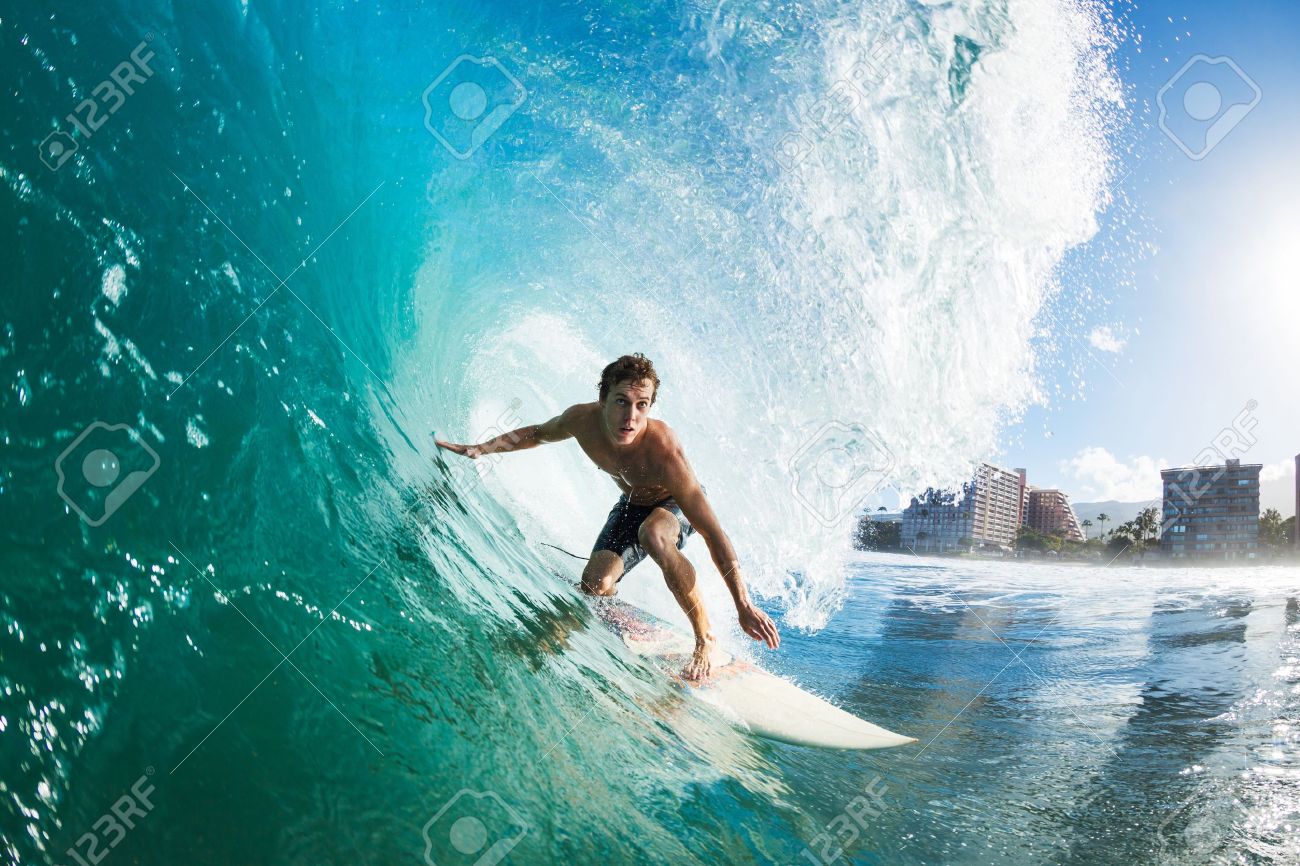
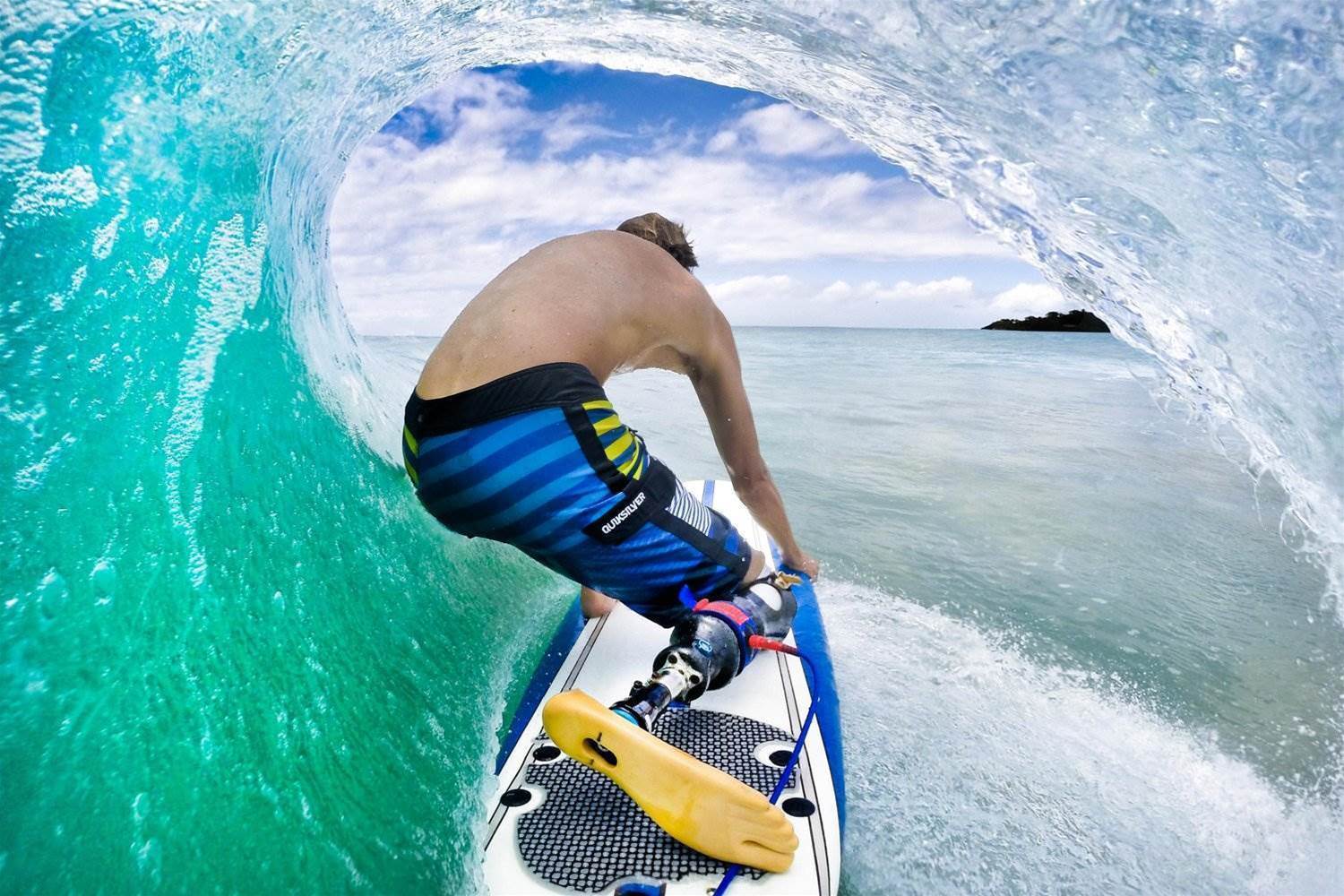
funnily enough, I went out for a sup tonight on off shore hollow and 2m+ swell size on my new lokahi. That board seems to have quite a pinched hard rail edge quite far up the board (which until your prior comments I assumed was good for hollow big stuff). I tried it with a set of Kelly slater quads tonight which I've never used before but my god the board held well on the face! Just drilled down the line and nearly got barrelled a few times but was quite hard to turn at speed on those waves.
also for a board with such a pronounced square tail I can't believe how well it holds on a big heaving face!
I spent about 1.5hrs just picking off the bombs on that big peeling left in the below from today. Even had a couple of long Wally rights off it!


I have had 5 various size sups now the element my first 2010 and still my go to most used board. Have considered getting a newer model. How would this compare to the 2010 much change in shape. I think the carbon one would be awesome but not cheap.
Masters of soft rail design fir xl surf in no particular order: geoff McCoy, Webster, Brewer, Downing, probably plenty of others.
Thete is an element of learning how to surf the limits of your equipment. Got smahed by rail of C4 sup years ago. Had nothing to do with catching a rail.