Hi Dave,
NZ is an amazing place for snowkiting, when the conditions are right. This year would be our 5th season in a row, we usually go for 1 month at the time from about mid August to mid September. We found that time of year (towards the end of the season) has the most consistent snow and wind conditions.
Last season (2014) was a disappointment in comparison to all other seasons. We had 3 weeks of high pressure which means no wind and no snow

. We had to hike long distance (many hours of hiking each day with all the gear) and get to higher elevations just to have more snow and a few knots of wind. On the other hand this made us discover new areas and we started to spend some nights in the mountain huts to make the most out of each trip.
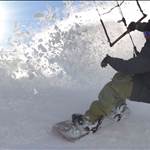
This is a clip from last season....don't be fooled by the amazing kiter in the video....you can see the thin snow layer and in 90% of the video the wind was blowing not more than 5 knots!
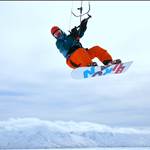
In contrast here is a clip from 2 years ago....2013 was an amazing season!
To my knowledge, Tim doesn't do paid tours anymore and BoarderPatrol is no longer in operation either. You might get Tim or one of his staff to give you a private lesson/tour. Snow kiting businesses are hard to operate down there with a limited customer base. Variable snow and wind conditions and difficulty to access the terrain are some of the reasons the businesses struggle to operate down there.
We talked about starting a snow kiting tour operation down there ourselves but with the poor conditions we had last season we decided to give up on the idea. Having had paid customers last season we would probably have to refund them!
If you come during our dates and base yourself in Wanaka we can probably organize something, we've been teaching and guiding a few of our close friends over the years with great results. We usually get paid in rhum and beers.
Apart from having good snowboarding skills, your best asset for snow kiting is your ability to fly a kite in low wind and crap wind. The ability to reverse-launch and keep a kite in the air with loops in 5 knots in an absolute necessity as the wind is always very variable. Nothing sucks more than being stuck in a knee deep snow gully with a kite that doesn't relaunch. Land kiting skills are a huge help as well. With those sort of skills it will be easy to guide you around and make the most out of your trip.
Local knowledge is key down there and each year we are amazed how much more we learn and discover. Here is an overview of what we mapped up so far:

The post on Seabreeze about the locations is amazingly still pretty accurate ( I think it dates back 6 years or more?) but there are also many more areas.
Snow farm (pisa range) is the most easily accessible. It works best on a NW (prevailing winds). Unlike what Whangas says, anything other than W through N is usually pretty crap and not worth it in our experience. Also, you need to pay for parking (road fee) and pay the owner of the land as well (usually a 1 off fee for the season). If the snow coverage is good (good coverage in the car park) you can pretty much launch nearby and get going. Otherwise you need to be prepared to walk...long distances, as per any other kite spot. Our most memorable sessions were at old woman range and Cardrona, but we also had epic sessions at the top of snow farm.
Here is a typical NW day at snow farm (about 55 KM of kiting).

The tricky thing about any snow kite spots in NZ is that all spots have a difficult starting area (close to the car park) and the easiest and nicest snow and wind conditions are higher up where the land plateau's a bit. This means you have to be pretty skilled and be lucky with snow and wind conditions to start off from lower elevations unless you are prepared to walk... The GPS tracking above is a perfect example (on the Left 1/3 of the image): you have to kite uphill and upwind in rough terrain and usually limited snow coverage until it gets nicer and easier...or walk 1.5 hours!
We've done heli drops in the past which were amazing fun, but we have yet to do the 2-3 days Mount Cook glacier snow kiting trip. You just have to have perfect conditions for this (right wind, right weather for both the heli and the kiting).
So in summary:
-Bring 2 kites + spares. We found that a 2 kite quiver with a big gap works best. 7M for anything above 15 knots and an 11-12m for anything below 15 knots.
-Bring spare parts (bladders, lines, tear aid, spare bar, etc). Last year each of us (8) have broken or replaced something!! There are no kite shops in the area so if you brake something and don't have spares, this could be the end of your trip.
-Be prepared for long walks (up to 4 hours per day). Bring a comfortable back pack that can easily fit 2 kites, food and water, etc.
-Bring a warm winter sleeping bag if you want to spend nights in the mountain huts.
-Be prepared for a snowless and windless trip or at the very least a few windless days....have other activities planned such as snowboarding, mountain biking, heli-skiing, etc. The longer you plan to stay the better and the more flexible on your dates and the more last minute you book your flight (checking the conditions before you book) the better as well.
-Be prepared for your board to get damaged especially if the snow coverage is thin. A board tuning kit is essential for us.
-It's best to hire a 4wd to access all the terrain easily. We often have to put chains on 4WD's as well in some areas. You can also hire a 4wd for 1 day at the time when planning trips in remote areas, which is what we do.
-A serious 4WD with a snowmobile is the best way to easily access the most epic terrain with little effort. That being said, we got stuck many times and the effort of getting unstuck can be equivalent to a few hours of walking

Fingers crossed we get a good season this year!
Christian

 Green Cherub
> 9 months ago, 23 Apr 2015
Green Cherub
> 9 months ago, 23 Apr 2015