Select to expand quote
Paradox said..I think it comes down to the alarmist reporting and fear over facts and the purposefull twisting of wording and messaging to give an impression things are very different to what they really are.
For example your post statement
"Yet the WWF say more than 50% of all vertebrates have gone extinct since 1970:" is wrong. That article talks about population loss, not species extintion. I am willing to bet that species extintion is what you got from reading the article, rather than population decline, and that is the problem as thats what they wanted you to read.
I doubt anyone would argue that humans are impacting and causing change to environments that is causing species extinction above the normal "background" rate that would be expected. However a mass extinction means more that 75% of the worlds species are gone and we are no were near that.
There is also good argument that the efforts we are making now to conserve and protect habitats and species is also making a huge difference in slowing or reversing the population decline and increased rate of species loss.
Thanks for that correction - yes I misinterpreted the statement.
That said, I'm still alarmed, and I think rightly so. Here's a meta report which provides sobering stats:
Plummeting insect numbers 'threaten collapse of nature'
www.theguardian.com/environment/2019/feb/10/plummeting-insect-numbers-threaten-collapse-of-nature?CMP=Share_iOSApp_OtherQuoting that article:"More than 40% of insect species are declining and a third are endangered, the analysis found. The rate of extinction is eight times faster than that of mammals, birds and reptiles. The total mass of insects is falling by a precipitous 2.5% a year, according to the best data available, suggesting they could vanish within a century."
On that data - if correct! - it is reasonable to infer a mass extinction is imminent, unless the trends reverse.
its true that climate change is not the main driver (yet). It is suggested to be monoculture and pesticides.
But climate change is a slow moving phenomenon, and we don't know when key tipping points will trigger - like the release of frozen methane in the oceans and tundra, or the decline of the Atlantic warm current (that keeps Europe relatively warm).
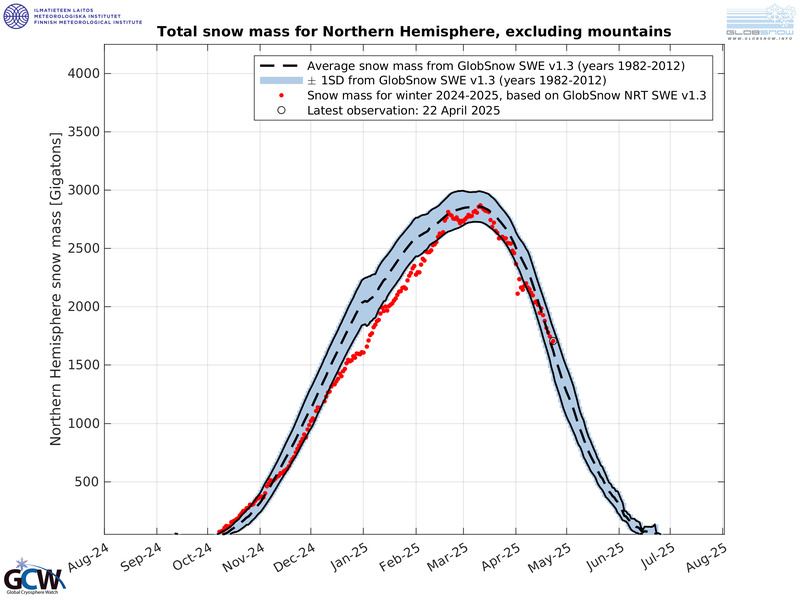
It is pretty obvious the earth is warming. Just look at glacial retreat. Close to home, the ocean off WA is 1.5 degrees warmer than average. More broadly, the change in Australia's rainfall patterns are entirely consistent with what the climate models predict.
Human activity is the most likely cause of climate change. (I don't tend to believe what deniers like Plimer say - its not out of our hands).
And so Australia burns - we enter the 'pyrocene':
theconversation.com/california-wildfires-signal-the-arrival-of-a-planetary-fire-age-125972i think the Thunberg point is that our children will remember this profligate, indulgent, narcissistic generation for that which we are.
We could take action now - there is a choice.
But the reality is that we won't - the smoking gun will come too late for us to really change our behaviour, given the lags. Zooming out, it is what it is. Everything passes, including, this brief era of civil wealth. It's a very thin and fragile veneer.