Anything big and slow is the best thing to start on, preferable with big wheels and tyres so you can fly them off large playing fields. Small wheels get stuck in the grass on landing and get torn off.
Be aware, New people to it think they have everything worked out in their head before they throw them up in the air, and it will all be fine,.. but it never is. Things happen very much faster than your brain can keep up with so you can lose the plot in 30 seconds or less. Specially when you turn it around and fly it back in. Everything becomes reversed and it's not easy to sort thngs out in a hurry, but since you cant park it while you sort things out, it all simply has to happen in a hurry. Controlling them is not something that you have time to think about. It just has to happen without thinking. Once you're used to it all it just happens without thinking, like riding a bike, but in three dimensions and where the controls reverse when you change direction..
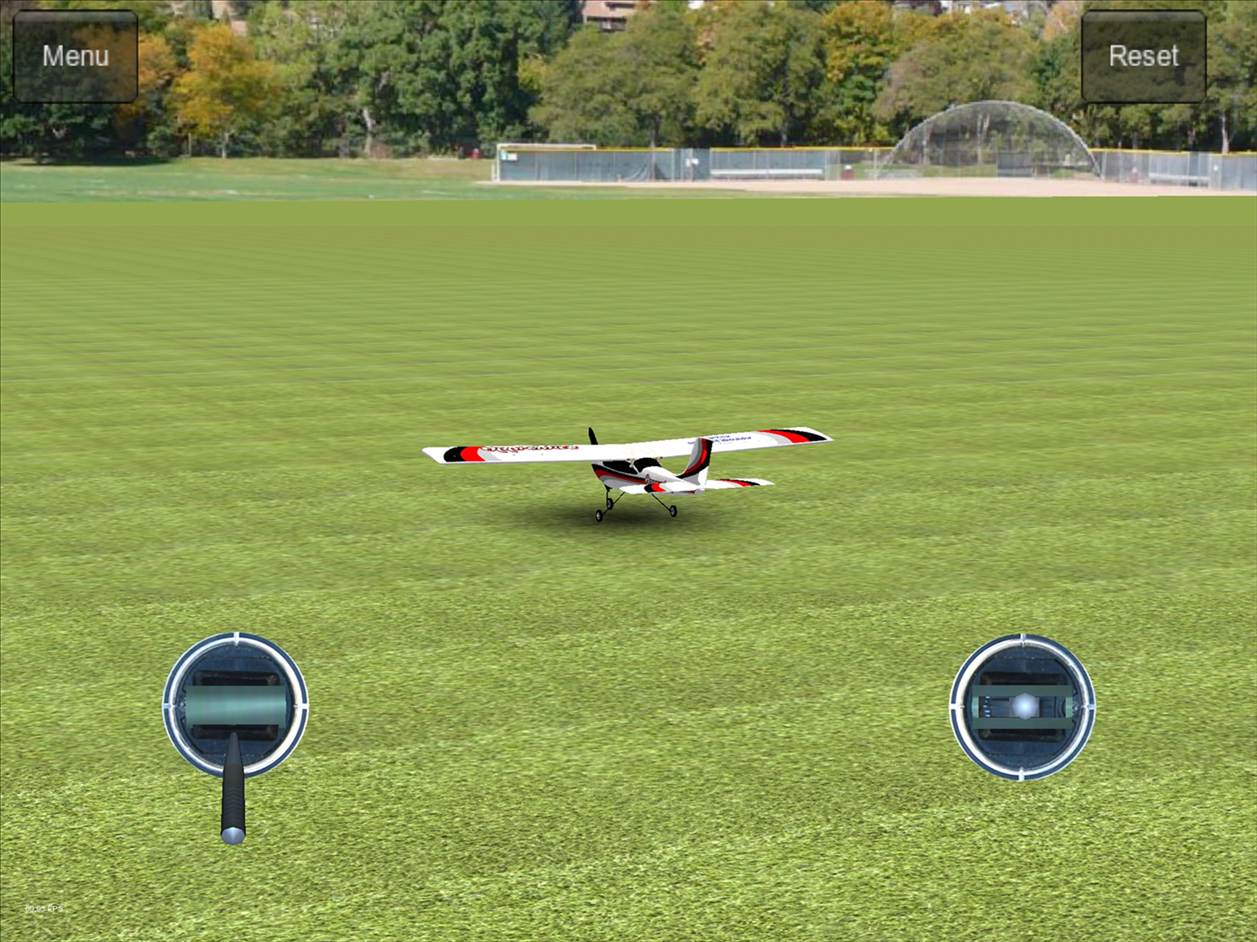
As has already been said, a simulator program for the computer gets all the automatic reactions happening so much faster and will pay for itself in a few weeks from planes not being wrecked. They are also really good fun. Great Planes make a good one for around $300 including the controller and software. It covers planes, helicpters, gliders, and airships. Definitely start with one of these first.
There are loads of plane types to select from so you can pick a type that approximates to the one you are thinking of buying. There is a bit a a learning curve when transferring from the simulator to the outside model flying but nothing like learning it from scratch.
Those small micro planes are NOT where to start. It will be wrecked on the first day out. They will not land on grass without ripping the wheels off and it needs a lot of skill to drop them in on a small hard surface like a cricket pitch or driveway.
You will miss by a mile. However, houses, cars and trees are very much easier to hit. They seem to go there automatically.